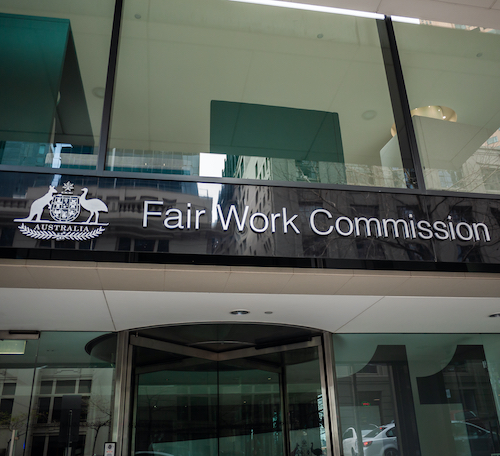
A supervisor who referred to workers as "dumb c-nts" and failed to report a subordinate's harassment and excessive "farting" in the office has failed to prove his dismissal was unfair.
It was fair to sack an employee who regarded a code of conduct as simply a "moralistic document" rather than a "directive of expected behaviour", the Fair Work Commission has ruled.
An employer was right to investigate bullying complaints against an employee, but it has failed to prove that it was reasonable to later add numerous other allegations for consideration, a commission has ruled in psychological injury proceedings.
A ruling that an employer prejudged an employee's misconduct should send a "salutary message" to all others about the need to provide genuine opportunities to respond, the Fair Work Commission says.
It was "capricious and spiteful" to dismiss an employee who showed "unsophisticated" geographical and emotional intelligence when commenting on a colleague's race, the Fair Work Commission has ruled in awarding her maximum compensation.
An employer has been blocked from sacking a worker who it believed lied during her job interview, because it was unclear whether it followed a procedurally fair disciplinary process.
An employee has failed to prove he was unfairly sacked for abusive conduct, despite the Fair Work Commission finding the HR team's investigation and workplace training processes were "obviously inadequate".
An employee's dismissal for aggressive behaviour was "a sham and a disgrace", resulting in a "very serious psychiatric injury", a court has ruled in awarding him more than $1 million in damages.
All employers should consider putting in place a workplace s-xual harassment prevention plan, even though such plans are only expressly prescribed in one jurisdiction, according to a risk management expert.
Recent events have shone a spotlight on whistleblowing, placing employers firmly on notice that their response to a protected disclosure could be subject to intense scrutiny. Watch this webcast to understand the role HR plays in this challenging space.