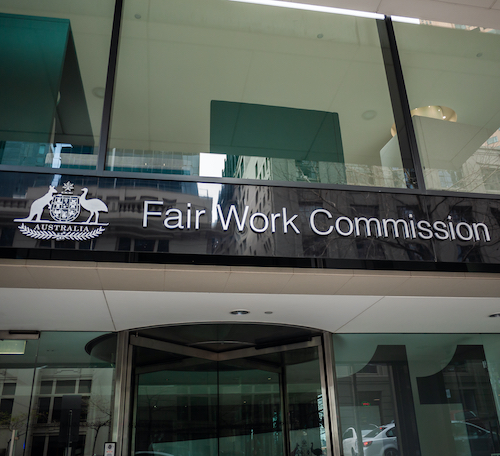
An employee's dismissal for failing to follow his employer's absence notification requirements during the height of COVID restrictions was "very regrettable", the Fair Work Commission has ruled in awarding maximum compensation.
An employer has been found vicariously liable for sexual harassment and assault, with a tribunal criticising its "manifestly inadequate" response to an employee's complaints.
In a case highlighting the importance of contemporaneous dismissal evidence, the Federal Circuit Court has rejected that a general manager was sacked for making workplace bullying complaints.
An employer's s-xual harassment investigation focused on a complainant's "subjective reactions" and failed to fully consider the context of an incident, the Fair Work Commission has ruled in ordering reinstatement.
The Fair Work Commission has ordered reinstatement after finding an employer's tendency to "inflate the gravity and seriousness" of a worker's misconduct led to a harsh dismissal.
A 60-year-old employee sacked because he could no longer perform the inherent requirements of his role was not unfairly dismissed, despite arguing HR defamed him, a commission has found.
An employer effectively forced a poor-performer to resign but it didn't unfairly sack him; rather, it was trying to give him a "dignified exit", the Fair Work Commission has found.
In a new decision under the Fair Work Act's powers to order sexual harassment to stop, a Deputy President has examined when harassment will be deemed to have occurred "at work".
All employers should consider putting in place a workplace s-xual harassment prevention plan, even though such plans are only expressly prescribed in one jurisdiction, according to a risk management expert.
Recent events have shone a spotlight on whistleblowing, placing employers firmly on notice that their response to a protected disclosure could be subject to intense scrutiny. Watch this webcast to understand the role HR plays in this challenging space.