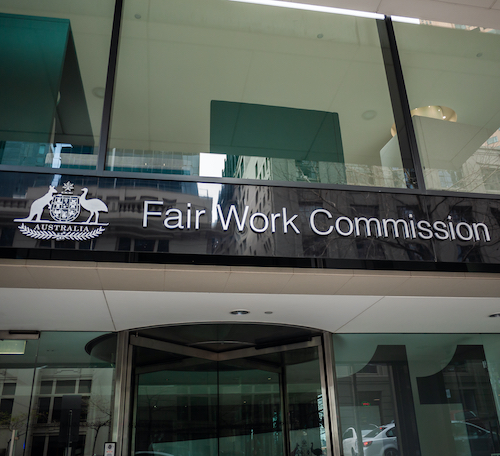
A "fundamentally unreasonable" misconduct investigation has revealed an employer's culture as "one where management protects itself by finding scapegoats to appease complaint or criticism", according to the Fair Work Commission.
The past year has seen some definitive rulings on what constitutes a casual employee or contractor, with important ramifications for all employers. Watch this HR Daily Premium webcast to understand what these cases mean for your organisation's contingent workforce arrangements.
An employee was sacked for repeatedly refusing to attend an assessment prior to returning to work after a year's leave, not because he complained about his employer's "unreasonable demands", a court has ruled.
Having hard conversations effectively is "an eminently learnable skill", made much simpler by using a framework for preparation, a coaching expert says.
All employers should consider putting in place a workplace s-xual harassment prevention plan, even though such plans are only expressly prescribed in one jurisdiction, according to a risk management expert.
Recent events have shone a spotlight on whistleblowing, placing employers firmly on notice that their response to a protected disclosure could be subject to intense scrutiny. Watch this webcast to understand the role HR plays in this challenging space.