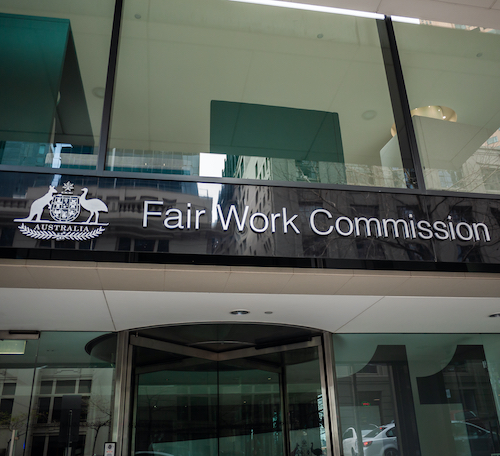
An employer's risk-averse approach to weighing conflicting medical views about an employee's fitness for work resulted in an unfair dismissal, the Fair Work Commission has ruled.
Most employers have rolled out training and policies to address psychosocial risks, but managers are now feeling the extra burden of driving behavioural change, a conflict specialist warns.
An employee has been denied access to an email in which a colleague expressed personal opinions about him, after a commissioner found full disclosure could compromise the colleague's privacy and reputation.
Individuals in a new leadership group sometimes "let their emotions get the better of them", but none of their behaviour constituted bullying, the Fair Work Commission has ruled.
The less time employees spend absorbing behavioural expectations by "osmosis" in the office, the more intentional organisations have to be about reinforcing them, and "culture coaches" are a potential solution, an expert says.
S-xual harassment allegations against an employee were part of an employer's "pre-meditated" plan to remove him from its business "in the most efficient way", the Fair Work Commission has found.
In light of the Fair Work Commission's first multi-employer bargaining decisions, many organisations will now want to think more seriously about how they can shore up control of their employment relationships, a workplace lawyer says.
All employers should consider putting in place a workplace s-xual harassment prevention plan, even though such plans are only expressly prescribed in one jurisdiction, according to a risk management expert.
Recent events have shone a spotlight on whistleblowing, placing employers firmly on notice that their response to a protected disclosure could be subject to intense scrutiny. Watch this webcast to understand the role HR plays in this challenging space.