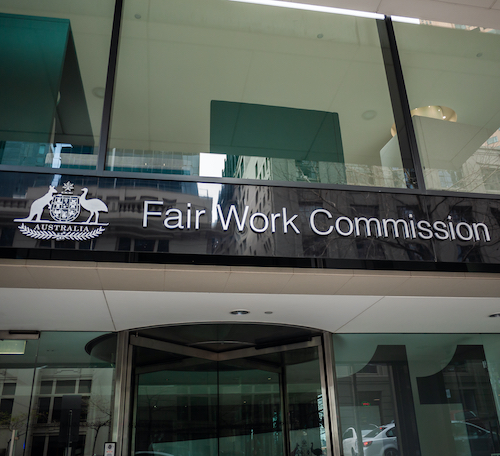
An HR manager who claimed she was undermined and humiliated, and ordered to act contrary to her employer's policies, has failed to prove she was bullied at work.
An employer was trying to protect staff from bullying and harassment when it sacked an employee, but its actions were ultimately a good example of how not to handle workplace complaints, the Fair Work Commission has found.
Technical experts don't often receive leadership development, but this can be a gamechanger for talent pipelines and business results, a people leader says.
It was fair and reasonable to discipline an employee who participated in her daughter's recruitment process with "blatant disregard" for her conflict of interest, a commission has ruled.
This week's cyber attack on a major HR software provider sends a big warning to employers about vigilance and due diligence in this area, a payroll expert says.
To ignore and isolate a colleague at work "is to dehumanise that person", the Fair Work Commission has said in finding two employees were fairly sacked for bullying.
Equipping employees with better listening skills is having a major impact on mental health conversations, which is in turn building better workplace connections.
Payroll audits have had their day in identifying potential underpayments, and it's time for employers to embrace analytics, says former Fair Work Ombudsman Natalie James.
All employers should consider putting in place a workplace s-xual harassment prevention plan, even though such plans are only expressly prescribed in one jurisdiction, according to a risk management expert.
Recent events have shone a spotlight on whistleblowing, placing employers firmly on notice that their response to a protected disclosure could be subject to intense scrutiny. Watch this webcast to understand the role HR plays in this challenging space.