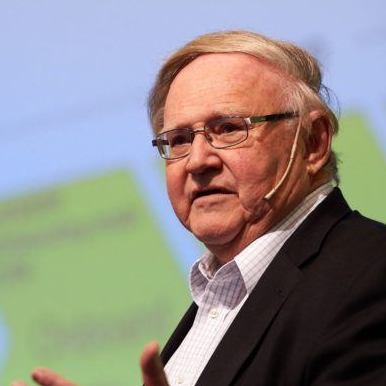
HR executives who are struggling to convince their CEOs to "get with the times" and embrace new ways of working shouldn't rely on data alone, as the resistance they face might have more to do with emotion, an expert says.
Most CEOs outside the IT function don't have high digital dexterity, and this is making them more likely to push for office returns, an HR advisor warns.
Some 71% of business leaders aren't ruling out moving to a four-day week within five years, while most want their workers back in the office more days this year, according to new research.
Kellogg is reporting record engagement scores and feedback that exceeded its expectations, after allowing employees to drive its approach to hybrid working and office returns, its HR leader says.
Positive work relationships are crucial to employees' mental health, but many people are now struggling to build meaningful connections with their colleagues, says a psychologist.
The novelty of working from home is already "waning", according to a global thought leader who predicts a fall in remote working this year. Meanwhile Australian research shows employers are eager to increase office time.
It was reasonable for a manager to correct an employee's "strongly held" belief that he could choose his own working hours, a tribunal has found in psychological injury proceedings.
Accountability is one of the basic elements that keep high-performing teams on track, but it hasn't been a big priority recently and some cracks in teams are starting to show as a result, according to a leadership and performance specialist.
An employee's "vigorous pursuit" of and perceived entitlement to flexible work arrangements were misplaced, a commission has ruled in finding an employer acted reasonably in rejecting her "unfettered demands".
With businesses in a 'triple squeeze' of talent scarcity, falling confidence and accelerating inflation, it's time for HR to move to the forefront of organisational planning and help lead through volatile times. Watch this HR Daily Premium webcast to learn how to set your organisation up for success in 2023.
All employers should consider putting in place a workplace s-xual harassment prevention plan, even though such plans are only expressly prescribed in one jurisdiction, according to a risk management expert.
Recent events have shone a spotlight on whistleblowing, placing employers firmly on notice that their response to a protected disclosure could be subject to intense scrutiny. Watch this webcast to understand the role HR plays in this challenging space.