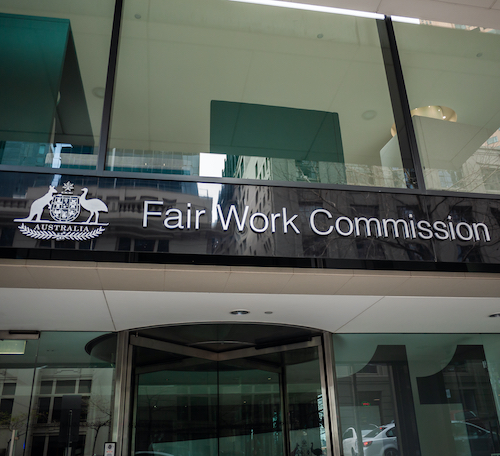
A new ruling on whether a casual was entitled to claim unfair dismissal indicates a significant "shift" in the Fair Work Commission's approach, an employment lawyer says.
Some of the certainty employers welcomed around casual employment is now in doubt given the new Federal Government's 'job security' platform, an employment lawyer says.
The Fair Work Commission has slammed an employer for allowing an "archaic" enterprise agreement, which denied employees penalty rates, to operate for more than two decades.
All employers should consider putting in place a workplace s-xual harassment prevention plan, even though such plans are only expressly prescribed in one jurisdiction, according to a risk management expert.
Recent events have shone a spotlight on whistleblowing, placing employers firmly on notice that their response to a protected disclosure could be subject to intense scrutiny. Watch this webcast to understand the role HR plays in this challenging space.