Speak-up cultures are becoming more common, but they're not enough to tackle the rise in bullying and harassment cases, according to a workplace culture consultant.
A commissioner has chastised a manager for his abusive outbursts at work and for failing to exercise "extreme caution" when sending sexually graphic messages from company-linked social media accounts.
Will your organisation's working-from-home arrangements stand up to legal scrutiny when challenged? Watch this HR Daily Premium webcast to ensure you're managing risks while reaping the benefits of WFH practices.
An employer has failed to prove it selected an employee with a "negative attitude" for redundancy because of his poor performance, and not because he made bullying and safety complaints.
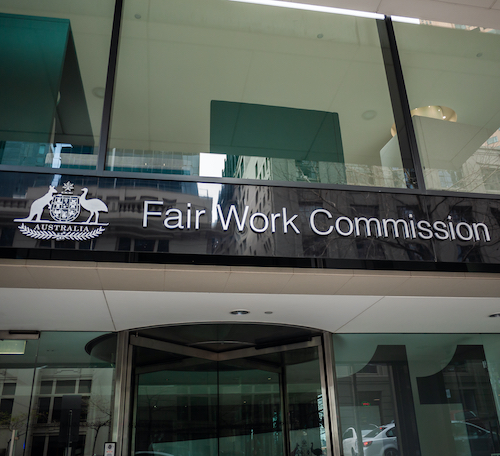
An employee has failed to prove an HR director "unprofessionally mishandled" his workplace bullying complaints, with the Fair Work Commission finding her response was "appropriate" and in his best interests.
Pyschological injury claims have increased 17% during the pandemic, meaning there's a "third wave" poised to hit organisations that are slow to respond, an insurance specialist says.
All employers should consider putting in place a workplace s-xual harassment prevention plan, even though such plans are only expressly prescribed in one jurisdiction, according to a risk management expert.
Recent events have shone a spotlight on whistleblowing, placing employers firmly on notice that their response to a protected disclosure could be subject to intense scrutiny. Watch this webcast to understand the role HR plays in this challenging space.